


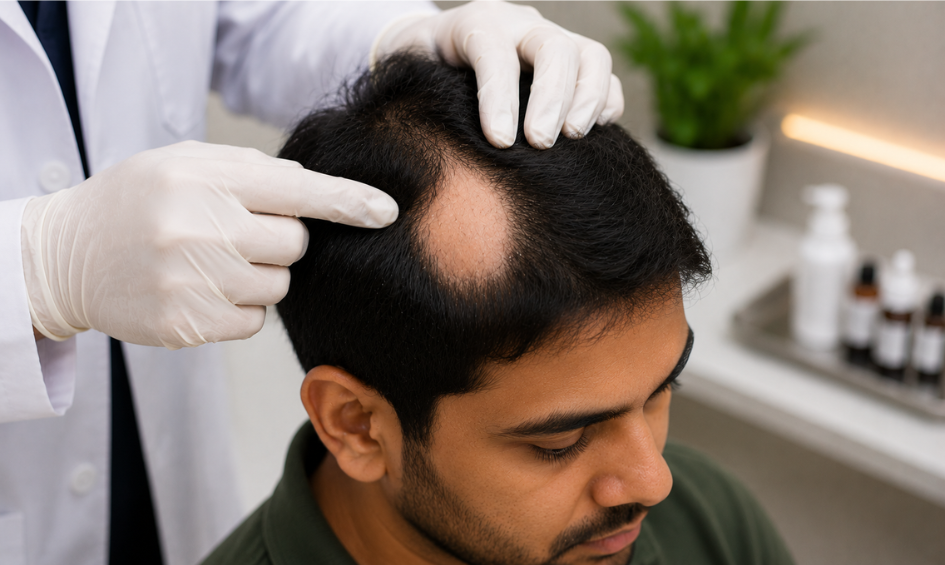
Alopecia refers to hair loss that may appear as patchy bald spots, diffuse thinning or patterned hair loss. Alopecia areata commonly causes sudden round patches on the scalp, beard or eyebrows. At EPYX DERMA, Dr. Suhasini evaluates the type of alopecia and plans targeted treatment accordingly.
Early diagnosis is important because different types of alopecia need different care. Treatment may include medicines, injections for selected patchy hair loss, scalp therapies, hair growth support, trigger control and follow-up monitoring.
- Treatment for patchy hair loss and alopecia areata.
- Evaluation for scalp, beard and eyebrow patches.
- Diagnosis of different alopecia patterns and triggers.
- Medical treatment and injections when suitable.
- Hair growth support and follow-up monitoring.
- Guidance to prevent worsening and manage recurrence.
Targeted care for patchy and patterned hair loss
Alopecia needs accurate diagnosis. We identify the type, activity and triggers before selecting the best treatment path.


alopecia type assessment
Dr. Suhasini checks whether hair loss is patchy, patterned, diffuse, scarring or inflammation-related.

early intervention
Timely treatment can help improve response, especially in active patchy hair loss.

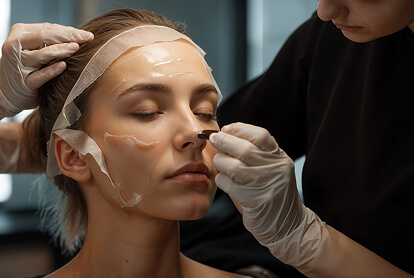
medical procedures
Selected cases may need injections, topical treatment or advanced scalp support.

recurrence guidance
Alopecia can recur, so follow-up and trigger control are important parts of care.
Support hair regrowth with expert alopecia care
With proper diagnosis and treatment, many alopecia cases can be managed effectively and confidence can be restored.


98%
patient satisfaction

10+
years of expertise

15+
advanced hair services
Frequently asked questions
Alopecia areata is an autoimmune hair loss condition that can cause sudden round patches on the scalp, beard or eyebrows.
Many patches can regrow with the right treatment, but response varies depending on severity and activity.
In selected cases, dermatologist-administered injections may be advised for patchy hair loss.
No, alopecia areata is not contagious.
It is better to consult early, especially if patches are spreading or recurring.
 Dermatology Experts Hair Fall PRP Therapy Hair Transplant